
How The 3D V-Ray Rendering Tool Turns Ideas into Photorealistic Images
If you have ever admired a stunning picture of an architectural work that has not been constructed yet, a perfectly lit interior design concept, or a hyper-realistic 3D product rendering online, chances are the V-Ray rendering tool was involved.
V-Ray rendering tool, developed by Chaos, is probably the most popular rendering engine in the world. Professionals in design, architecture, filmmaking, and 3D art use it as a tool to convert rough digital models into images that are almost identical to real photographs.
But what does the V-Ray rendering tool really do, and why is it so popular?
First, what is rendering?
Before we dive into discussion talking about V-Ray, it helps to understand the concept of rendering.
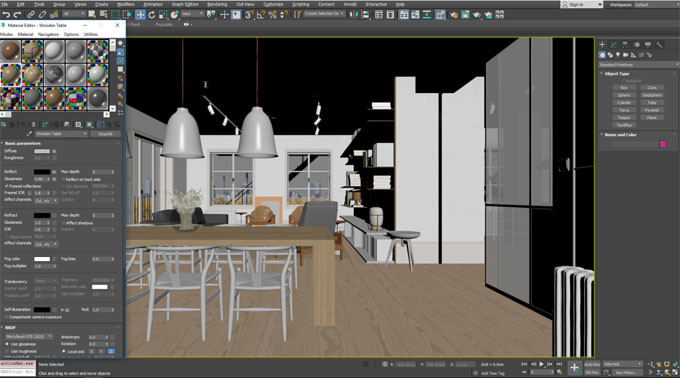
Rendering is the method of transforming a three-dimensional scenario into a completed image or animation. For instance, when creating a computer-generated scene with software like SketchUp, Autodesk 3ds Max, or Blender.
At that moment you will have objects like walls, furniture, windows, and lights.
But the scene usually appears flat, colorless, and unrealistic.
Software like the V-Ray rendering tool comes into play to recreate the behavior of light in the natural environment, how different materials reflect light, and the direction of shadows. The result is a high-quality image that looks like a real photograph.
Think of it as when other 3D modeling software builds the scene, V-Ray photographs the scene.
Why Is the V-Ray Rendering Tool So Popular?
There are many rendering tools out there, but V-Ray has become one of the most trusted options in professional workflows.
Here are a few reasons why.
Extremely Realistic Lighting
One of the most remarkable aspects of the V-Ray rendering tool is its lighting computation.

Basically, light doesn’t shine in a single direction. It bounces off objects, spreads across rooms, and produces delicate shadows. The V-Ray rendering tool replicates this natural occurrence by employing methods like global illumination that help to give the feeling of natural lighting rather than the one that is artificially bright.
The result may be so different that it is hard to recognize. Even the best 3D model would look fake if the lighting is not good.
Realistic Materials
Materials in V-Ray behave much like they do in the real world. For example:
- Glass can refract light
- Metal can reflect surroundings
- Fabric can appear soft and textured
- Wood can have grain and imperfections
Instead of simply painting an object, V-Ray rendering tools allow artists to specify how light interacts with the surface. This is the element that creates realism.
Works with Many Popular 3D Programs
Another reason the V-Ray rendering tool is so widely used is its compatibility.
It integrates with several industry-standard tools, including
- SketchUp
- Autodesk 3ds Max
- Maya
- Blender
- Cinema 4D
Drawing on V-Ray’s features allows designers to have the ability to retain their favorite modeling software and, at the same time, use the rendering features of V-Ray.
Where Is V-Ray Used?
V-Ray plays a role in many creative and technical industries.
Architecture and Real Estate
Architects often need to show clients what a building will look like before it exists.
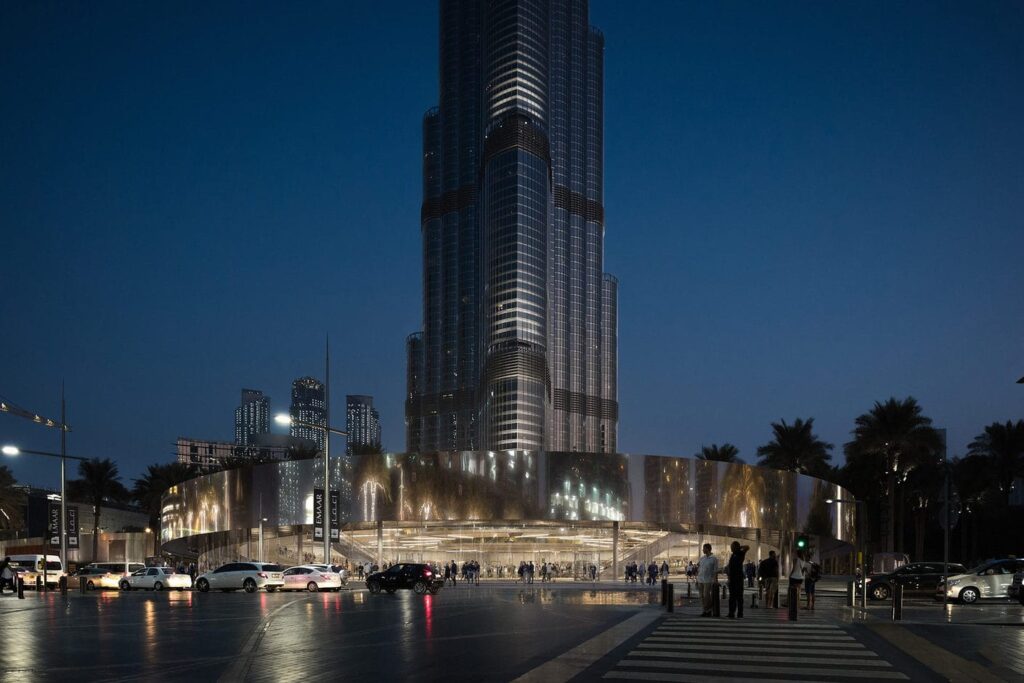
Using V-Ray, they can create photorealistic images of houses, office buildings, interior spaces, and landscapes. These images help investors and clients visualize the project long before construction begins.
Interior Design
Interior designers use V-Ray to experiment with different ideas.
They can quickly test lighting setups, furniture arrangements, color schemes or materials
Instead of guessing how a room might look, designers can see it clearly in a rendered image.
Product Design and Marketing
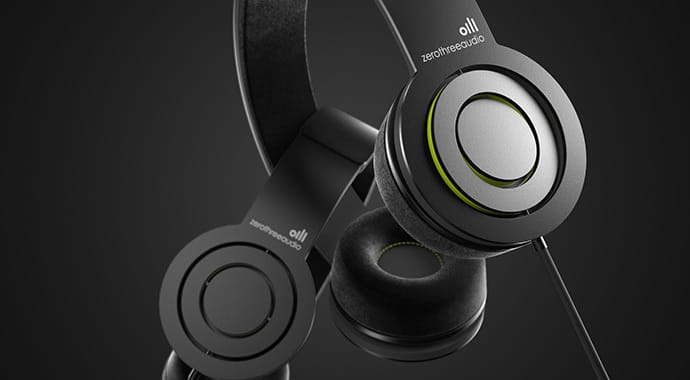
Companies also use V-Ray to create marketing visuals for products.
Instead of photographing a prototype, designers can render smartphones, furniture, electronics, and consumer goods.
This saves time and allows marketing teams to promote products even before manufacturing starts.
Film and Visual Effects
In the entertainment industry, V-Ray contributes to visual effects and animation workflows. It helps create CGI environments, realistic objects, and lighting for animated scenes. This is one reason many blockbuster movies feature incredibly convincing digital visuals.
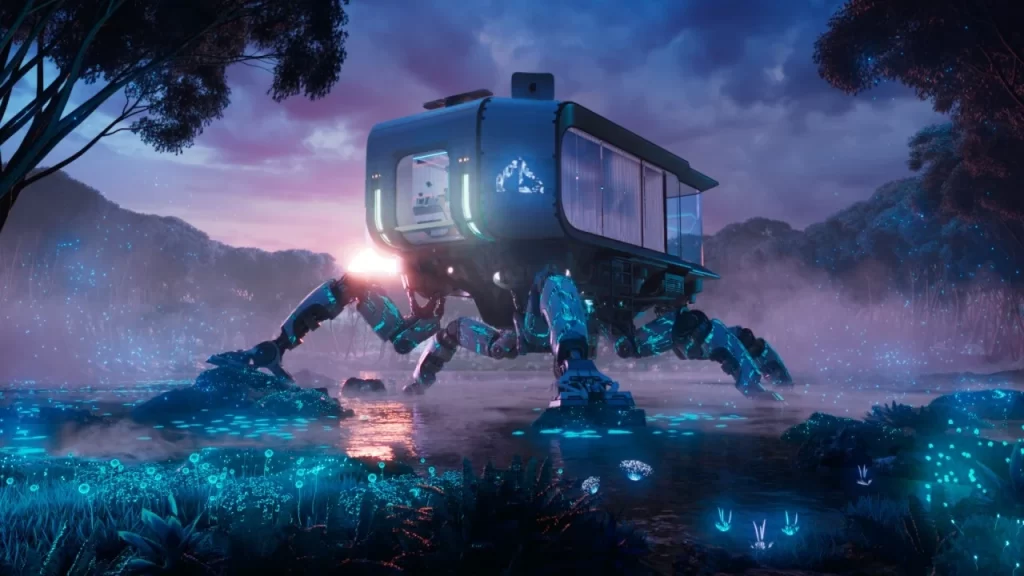
What Makes V-Ray Different from Real-Time Renderers
Some modern rendering software is designed to provide real-time results, which means you basically get the final image instantly.
V-Ray is a bit of an exception. It cares most about precision and realism, which makes the software do very thorough calculations. So, rendering a high-quality image in V-Ray can sometimes take minutes, hours, or even longer for complex scenes. But that extra time often produces higher visual fidelity.
For professionals, that realism is worth it.
V-Ray has evolved over time.
Over the years, the developers at Chaos have continued improving the software.
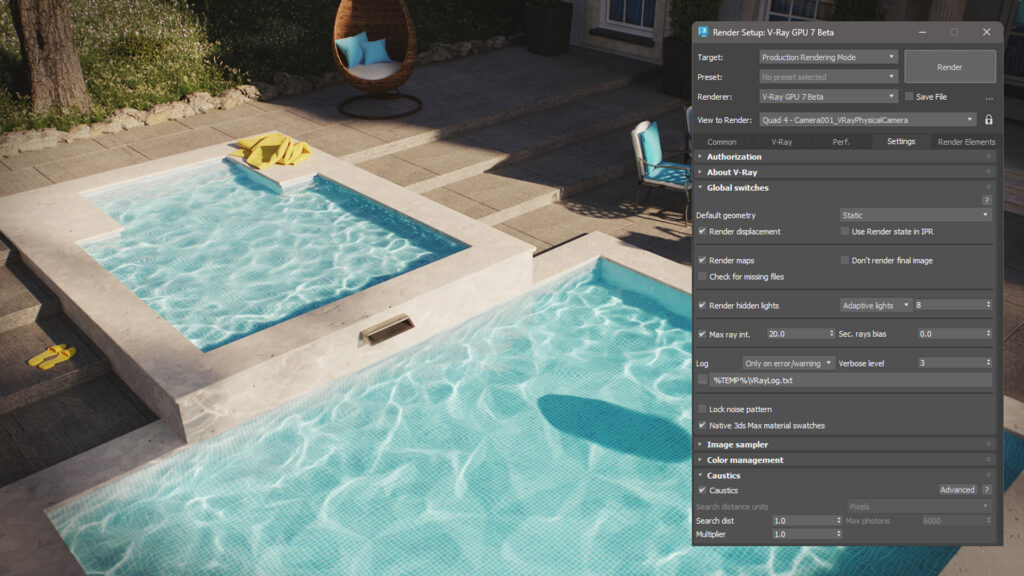
Latest V-Ray editions have features like:
- GPU rendering for faster processing
- real-time previews for quicker feedback
- massive libraries of materials and assets
- cloud rendering capabilities
These improvements help artists work faster without giving up on the level of realism that has always been the hallmark of the V-Ray rendering tool.
Is V-Ray Hard to Learn?
Like most professional tools, V-Ray has a learning curve. But beginners can start with the basics fairly quickly.
The typical learning path looks something like this:
- Learn a 3D modeling tool (such as SketchUp or Blender)
- Understand basic lighting concepts
- Experiment with materials and textures
- Render simple scenes
- Gradually increase complexity
With practice, artists learn how to control lighting, materials, and cameras to create stunning images.
The Big Picture
Simply put, V-Ray makes digital models look real. Basically, V-Ray is the software that applies the physics of light, reflection, and materials in order to render pictures that feel believable. This is the reason why it’s trusted by professionals in architecture, product design, filmmaking, and visualization.
And as technology continues to advance, rendering tools like V-Ray will only become more powerful, helping creators bring ideas to life long before they exist in the physical world.
The essence of V-Ray is to turn digital imagery into a photorealistic image. It can take the unrefined 3D models and simulate the properties of light, such as form and color, reflection, and materials, to generate images that can depict reality.