

CAT6 Cables Explained: A Simple Guide to Smarter, Faster Networking
A Category 6 (CAT6) cable is a networking cable, primarily used for internet connections in homes, offices, and data center facilities. The Category 6 (CAT6) standard is a faster generation than CAT5/CAT5e.
Although Unshielded Twisted Pair UTP doesn’t have extra shielding, it only has twisted wires to minimize interference. The cable contains 4 pairs of copper wires, which are twisted, and this is effective in reducing crosstalk or signal interference.
Why CAT6 is So Popular
CAT6 cables get the combination of performance and price just right. Among other things, they offer:
- Fast speeds (up to 1 Gbps over typical distances)
- Reliable performance for streaming, gaming, and work
- Better resistance to signal interference than older cables
For most people, this is more than enough power.
What Does “350MHz” Really Mean?
This is the time for things to get a bit more technical.
The MHz level indicates the capacity of the cable to process data simultaneously. For instance, a standard CAT6 cable is rated 250 MHz, while the upgraded versions can go up to 350 MHz.
More MHz means more efficient handling of heavy data traffic. Basically, a CAT6 350MHz cable is a wider highway. It will not inherently speed up your internet, but it does help in avoiding bottlenecks, particularly situations where several devices are active at the same time.
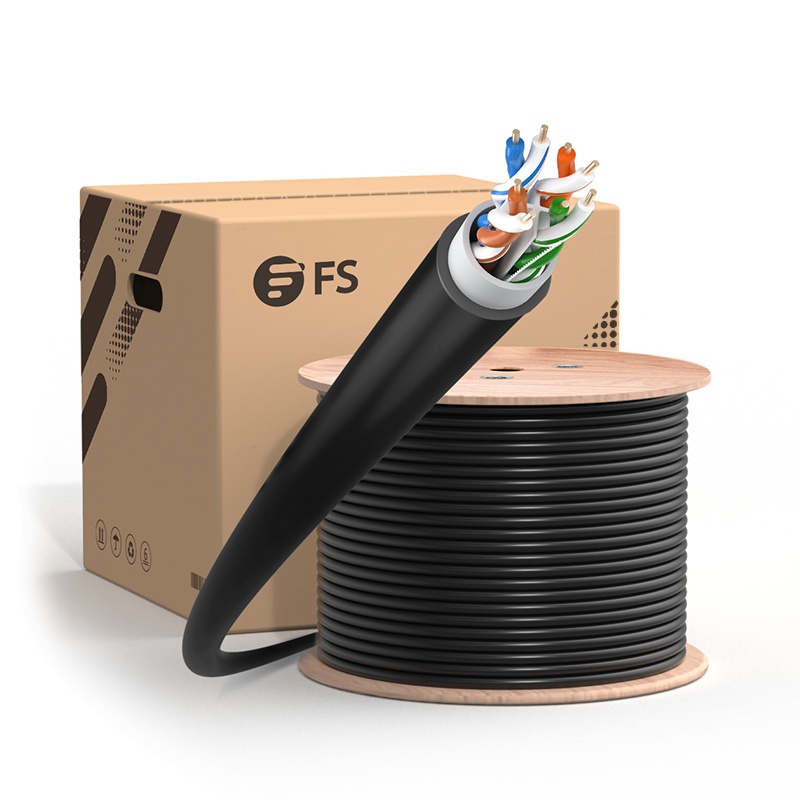
And What About “CAT6 Plus”?
This is where marketing comes in. CAT6 Plus is not a recognized standard. It is a brand name that the manufacturer uses to indicate the higher performance of their product.
Typically, CAT6 Plus cables offer the following:
- Higher bandwidth (often around 300–350 MHz or more)
- Better internal design for reduced interference
- Slightly improved durability
It’s essentially a premium version of CAT6, but not quite the same as the more advanced CAT6.
Choosing the Right Cable
Now, the main question is, what should you buy? Let’s find the right cable for your setup.
For Home Use (Streaming, Gaming, Smart Devices)
If you’re setting up internet at home for Netflix, YouTube, Zoom calls, or gaming, standard CAT6 is usually perfect.
Best choice: CAT6 (250 MHz)
Why?
You get strong, stable performance without paying extra for features you likely won’t use.
For Offices and Workspaces
Offices typically have multiple users, shared networks, video calls, cloud tools, and file transfers happening at the same time.
Best choice: CAT6 350 MHz or CAT6 Plus
Why?
The higher bandwidth helps handle heavier traffic and reduces lag during peak usage.
For CCTV and Security Systems
CCTV setups often run continuously and require stable connections, especially for high-definition cameras.
Best choice: CAT6 350 MHz (solid copper preferred)
Why?
You need reliability over long hours, and better signal handling ensures clear video transmission without dropouts.
For Data-Heavy Environments (Studios, Tech Setups, Mini Data Centers)
If you’re running servers, editing large video files, or managing high-performance systems:
Best choice: CAT6 Plus (or even consider CAT6A if budget allows)
Why?
You’ll benefit from improved performance and future-proofing.
Buyer Tip
Not all CAT6 cables are created the same way.
When buying, always check:
- Material: Go for pure copper, not copper-clad aluminum (CCA)
- Certification: Look for verified standards (not just branding)
- Build quality: Thicker, well-insulated cables last longer
Sometimes, a cheaper cable ends up costing more due to poor performance or early replacement.
Choosing the right Ethernet cable isn’t about buying the most expensive option—it’s about buying the right one for your needs.
- CAT6 is your everyday reliable choice
- CAT6 350MHz is dependable for busier networks
- CAT6 Plus offers a performance boost when you really need it
Once you understand that, you will no longer guess. You will realize you’re making a smart, informed decision.